Shopify is making a fundamental change to customer accounts—and at this point, it’s not optional.
If you’re still running on legacy customer accounts, this is something you need to address now, not later.
What’s Actually Changing
Shopify officially deprecated legacy customer accounts in early 2026, and a full sunset is expected to follow.
While an exact cutoff date hasn’t been announced yet, the direction is clear:
legacy accounts are on their way out this year.
More importantly, they’re already in maintenance mode:
- No new features
- No meaningful updates
- No long-term support
This isn’t just a “recommended upgrade” anymore, it’s a platform shift.
The New Model: Passwordless, Standardized, and Shopify-Controlled
The new version of customer accounts changes how authentication—and the overall experience—works.
Instead of email + password, Shopify has moved to a passwordless login:
- Customers enter their email
- They receive a one-time code
- They’re logged in instantly
It removes friction, eliminates password resets, and aligns more closely with modern login experiences.
But the bigger change is structural.
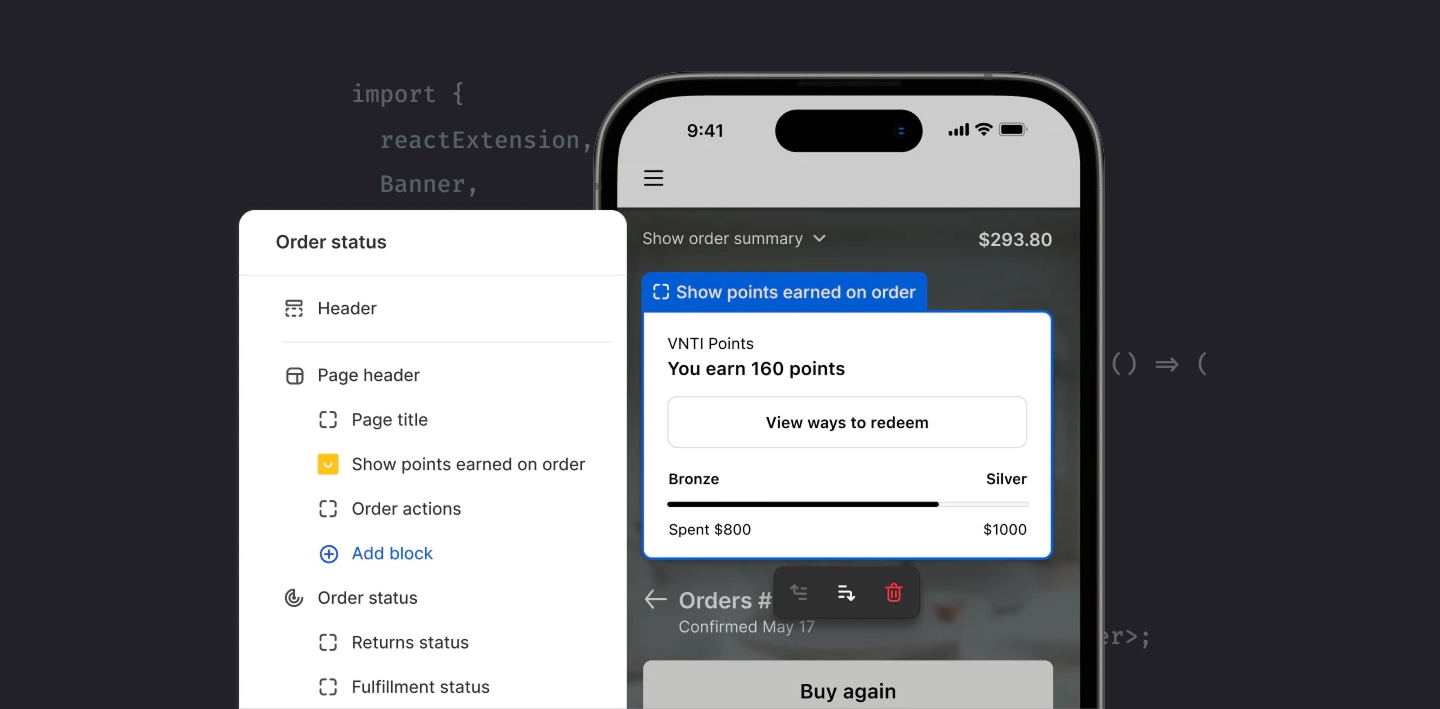
Customer accounts are no longer theme-driven. They now live inside Shopify’s extensibility framework, similar to checkout—meaning:
- Less direct Liquid customization
- More reliance on apps and APIs
- More consistency across the platform
This is Shopify standardizing one of the most important parts of the customer journey.
Why Shopify Is Pushing This Now
This move is part of a broader shift happening across Shopify in 2026.
Core customer flows—accounts, checkout, and post-purchase—are becoming more controlled, more secure, and more standardized.
The goal is to:
- Improve security (no stored passwords)
- Enable deeper native functionality
- Reduce dependency on fragile custom code
For Shopify, this creates a more stable ecosystem.
For brands, it changes how you think about building and customizing experiences.
What Brands Gain
The upside is real—especially if you’ve dealt with patchwork solutions before.
New customer accounts now support features that previously required multiple apps or custom builds:
- Order tracking and account management
- Self-serve returns
- Store credit
- Subscription management
- Integration with Shop Pay and Shopify-native tools
This effectively turns customer accounts into a post-purchase hub, not just a login page.
What Brands Lose (or Need to Rethink)
There are tradeoffs—and this is where most brands get caught off guard.
With the new system:
- You can’t customize accounts with Liquid the way you used to
- Login and account UI are more standardized
- Some legacy workflows won’t carry over cleanly
In short, you’re trading control for stability and scalability.
For brands with heavily customized account experiences, this isn’t a toggle—it’s a rebuild.
What This Means Right Now
If you’re still on legacy accounts, there are a few realities to keep in mind:
1. This is a 2026 priority
With a sunset date expected this year, waiting will only compress your timeline.
2. Migration isn’t just technical
It impacts UX, integrations, and how your team manages post-purchase experiences.
3. Custom setups need a plan
Anything built on Liquid or custom logic will need to be rethought using apps or extensions.
The Bigger Opportunity
Most brands will treat this as a forced migration.
The better approach is to treat it as a reset.
Customer accounts are becoming a core part of retention:
- How customers track orders
- How they manage subscriptions
- How they come back and purchase again
If you’re already touching the system, it’s worth asking:
what should this experience actually do for the business?
How We’re Thinking About It
At PIVOT, we’re advising brands not to wait for the deadline to hit.
The teams that benefit most from this shift are the ones that:
- Audit what’s actually being used today
- Cut what doesn’t matter
- Rebuild intentionally within the new system
Because this isn’t just about staying compliant—it’s about aligning with where Shopify is going.
Final Takeaway
Shopify’s move to new customer accounts is one of those updates that seems incremental—but isn’t.
It’s a shift toward:
- Standardized infrastructure
- More secure authentication
- And deeper native functionality
The brands that get ahead of it will have more control over how the experience evolves.
The ones that wait will be forced to react.